
Early Childhood Education: Building a Strong Foundation for Lifelong Learning
Early childhood education (ECE) refers to the learning and developmental experiences provided to children from birth to around eight years old. During this period, children undergo rapid growth in cognitive, social, emotional, and physical areas. Early childhood education focuses on nurturing these skills to ensure a strong foundation for future learning.
The Importance of Early Childhood Education
High-quality Early Childhood Education has lasting benefits. Children who participate in structured programs often show improved language, communication, and social skills. They also gain confidence, resilience, and a love for learning that continues into later life. These formative years shape their academic success and personal development.
Holistic Development Through Play
Play-based learning is central to early childhood education. Activities like role-playing, hands-on projects, and creative exercises help children develop critical thinking, problem-solving, and creativity. These experiences engage their curiosity and imagination, preparing them for school and life.
Individualized Learning Approaches
Every child develops differently. Early childhood education emphasizes personalized learning to cater to each child’s strengths, interests, and pace. Educators observe children closely to design activities that foster independence, self-expression, and active participation in learning.
Physical Health and Well-being
Early childhood education also promotes physical development. Outdoor play, motor skill exercises, and coordinated activities enhance physical fitness and hand-eye coordination. Programs often include lessons on nutrition, hygiene, and healthy habits, fostering a holistic approach to well-being.
The Role of Families in Early Education
Parental involvement strengthens the benefits of early childhood education. Families can support learning at home, attend workshops, and collaborate with educators. This partnership ensures consistency in teaching and provides a supportive environment for children’s growth.
Technology in Early Childhood Education
Modern programs incorporate age-appropriate technology to support learning. Educational apps, interactive media, and digital tools enhance understanding and engagement. However, balance is key—hands-on play and social interaction remain crucial for overall development.
Global Initiatives and Access
Governments worldwide recognize the value of early childhood education and are expanding programs to reach all children. Access to quality education helps reduce social inequality, giving every child the opportunity to thrive academically and socially, regardless of background.
Educators: Guiding the Future
Teachers in early childhood education play a critical role. They design learning experiences, support individual needs, and encourage curiosity. Continuous training and access to resources ensure educators can provide high-quality education consistently.
Inclusivity and Cultural Awareness
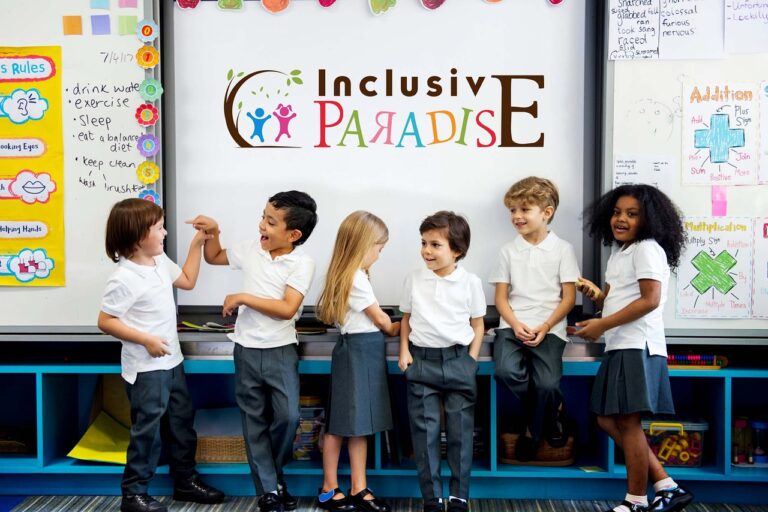
Inclusive early childhood education fosters empathy, understanding, and respect. Programs that celebrate diversity prepare children for a multicultural world, helping them appreciate different perspectives while promoting social harmony.
Conclusion: The Lifelong Impact
Early childhood education is more than just early academics; it is the foundation for lifelong growth. Through play, individualized instruction, family engagement, and inclusive practices, children gain the confidence and skills needed to succeed in school and life. Investing in early education benefits not only the child but also families and society, ensuring every child reaches their full potential.